
Complete Guide to ISF Filing for Boys Vests & Waistcoats
Have you ever felt overwhelmed by the logistics of importing clothing items like boys vests and waistcoats? You’re not alone. The process can seem tedious, but with the right information, you can make it manageable. One crucial step in importing goods into the U.S. is submitting the Importer Security Filing (ISF). Let’s break down how to file the ISF for boys vests and waistcoats, so you’re well-prepared for your next shipment.
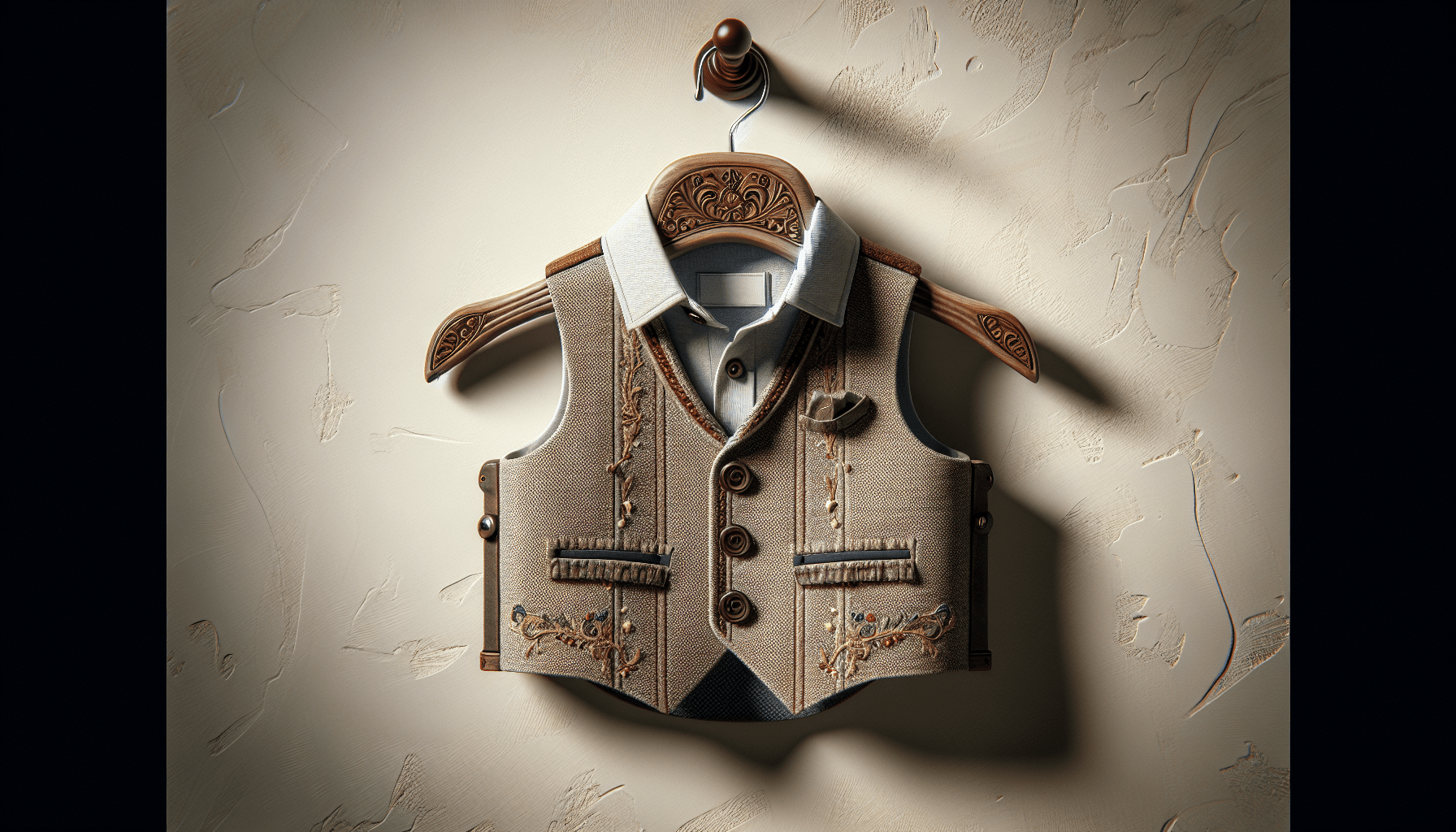
Understanding the ISF
Before jumping into the specifics of filing, it’s essential to grasp what the Importer Security Filing (ISF) is all about. The ISF, often referred to as “10+2,” is a requirement by U.S. Customs and Border Protection (CBP) that must be fulfilled before goods are loaded onto ocean vessels heading to the United States.
Why ISF Matters
The ISF is vital as it helps the U.S. government assess the risk of imported goods. By providing this information, you significantly contribute to national security efforts. Failure to file an ISF correctly can result in delays, fines, or even a rejection of your cargo.
What Information is Required?
Filing the ISF for boys vests and waistcoats involves submitting specific data points. Here’s a breakdown of the information you’ll need:
| Required Data Point | Description |
|---|---|
| Importer of Record (IOR) | This is the entity responsible for the goods. |
| Consignee | The party to whom the goods are being shipped. |
| Seller | The supplier or manufacturer of the vests. |
| Buyer | The end customer purchasing the vests. |
| Shipping Information | Details about the shipper and vessel. |
| Country of Origin | Where the vests and waistcoats are manufactured. |
| Harmonized Tariff Number (HTS) | Code used to classify the goods for customs. |
| Description of Goods | A detailed description of the vests and waistcoats. |
| Port of Unloading | Where the shipment will arrive. |
| Estimated Arrival Date | When the shipment is expected to reach the port. |
Gathering Necessary Documents
To ensure a smooth filing process, gather all necessary documents beforehand. This includes contracts, purchase orders, and shipping notifications. Having everything organized will make it easier to obtain the information you need for the ISF.
How to File the ISF
You may be wondering how to begin the filing process. Luckily, it can be accomplished in a few simple steps.
Step 1: Choose Your Method
You can file the ISF in several ways. Some options include:
- Online Filing: Many freight forwarders and shipping companies offer online platforms for ISF filing.
- Customs Broker: Hiring a customs broker can simplify the process, allowing you to focus on other aspects of your business.
Step 2: Input Required Information
Once you’ve chosen your method, start entering the required data into the system. Ensure all information is accurate to avoid any possible issues down the line. It’s essential to double-check the details against the documents you collected earlier.
Step 3: Submit Your Filing
After reviewing all the entered information, it’s time to submit the ISF. Ensure that you do this at least 24 hours before your shipment departs the foreign port. This timeline is crucial as it allows CBP time to assess the submitted information.
Step 4: Monitor and Follow Up
After submission, keep an eye on your filing status. If there are any issues, your filing party should alert you promptly. It’s your responsibility to address any discrepancies swiftly to avoid delays or penalties.

Common Mistakes to Avoid
Understanding common pitfalls can save you a lot of headaches when filing ISF. Here’s a list of mistakes to be aware of:
Incomplete Data
Omitting any of the required data points can lead to immediate rejection. Always ensure that you’ve included all necessary information.
Incorrect Harmonized Tariff Code
The HTS code is critical for customs classification. Using the wrong code can result in misclassification and additional fees. Consult the official HTS code directory to find the accurate code for boys vests and waistcoats.
Delayed Filing
Submitting your ISF less than 24 hours before the vessel departs could lead to penalties. Stay ahead of the timeline to keep your shipments moving smoothly.
Not Using an Experienced Broker
If you’re new to the process, not utilizing an experienced customs broker may cause unnecessary challenges. A trained professional can guide you through the intricacies of filing and help avoid potential mistakes.
Importance of Accurate Description
When filing the ISF, providing a clear and concise description of the goods is essential. For boys vests and waistcoats, ensure you include details such as:
- Material Composition: Cotton, polyester, etc.
- Color and Size Information: Specify age ranges and sizes.
- Intended Use: Casual, formal, or party wear.
Why Description Matters
A well-detailed description can help customs officials accurately process your shipment and reduces the likelihood of inspections that could delay delivery.
Timing is Key
When considering the timing of your ISF filing, always plan ahead. Besides submitting it 24 hours before departure, think about any holidays or weekends that could affect processing.
Best Practices for Timing
Here are a few best practices to keep in mind:
- File Early: If you receive confirmation that the goods have been loaded, file the ISF at your earliest convenience.
- Account for Time Zones: If you’re importing from overseas, be cautious of time differences that may affect shipping schedules.
- Stay Informed: Keep abreast of any changes to shipping timings that may arise due to factors like weather or port congestion.
What Happens After Filing?
Once the ISF is submitted, customs will assess the information. If everything is in order, they will approve your filing, allowing your shipment to proceed. However, it’s essential to be prepared for the possibility of additional scrutiny.
Customs Inspections
Sometimes, shipments are randomly selected for inspection, which can cause delays. To ensure you’re ready for such an occurrence, maintain open communication with your shipping partners and customs broker.
Dealing with Issues
If your ISF is flagged for any issues, you should address them promptly. Work closely with your customs broker to resolve any discrepancies quickly. This proactive approach can keep your shipment on track.
Frequently Asked Questions
You might still have questions about the ISF filing process for boys vests and waistcoats. Let’s address some common queries:
How Much Does It Cost to File an ISF?
Typically, filing the ISF may involve fees associated with your customs broker or freight forwarder, but the exact amount can vary. It’s best to get an estimate from your service provider.
Can I Amend an ISF After Submission?
Yes, but you need to do so before the vessel departs. Amendments are usually straightforward; just communicate the changes you need to make promptly.
What If I Forget to File an ISF?
If you forget to file, your shipment will likely be delayed or subjected to fines. Immediate communication with your shipping provider and customs broker can help mitigate any issues.
Additional Tips for Smooth Filing
Keeping these extra tips in mind can further enhance your filing experience:
Stay Organized
Keep all your documents and data related to each shipment in one location. This organization will streamline filing and allow you to respond to inquiries quickly.
Keep Up-to-Date with Regulations
Regulations may change, and staying updated is crucial. Subscribe to CBP newsletters or follow them on social media for the latest info related to customs filings and regulations.
Network with Others in Import Business
Connecting with other importers can offer valuable insights and tips that could help alleviate challenges you may face. These contacts may provide practical advice or even recommend tested service providers.
Conclusion
Filing the ISF for boys vests and waistcoats doesn’t have to be a daunting task. By following the structured process we outlined and staying organized, you can navigate through the complexities of customs filings with greater ease. Remember, maintaining accuracy in your data and keeping an eye on deadlines can make all the difference.
You will likely face some challenges along the way, but don’t let that discourage you. Each experience is a learning opportunity that prepares you better for future shipments. So gather your information, make informed decisions, and take that first step in filing your ISF. Your import journey will become smoother with practice and patience!