
Unlock Stress-Free ISF Filing for Your Volleyball Footwear Today
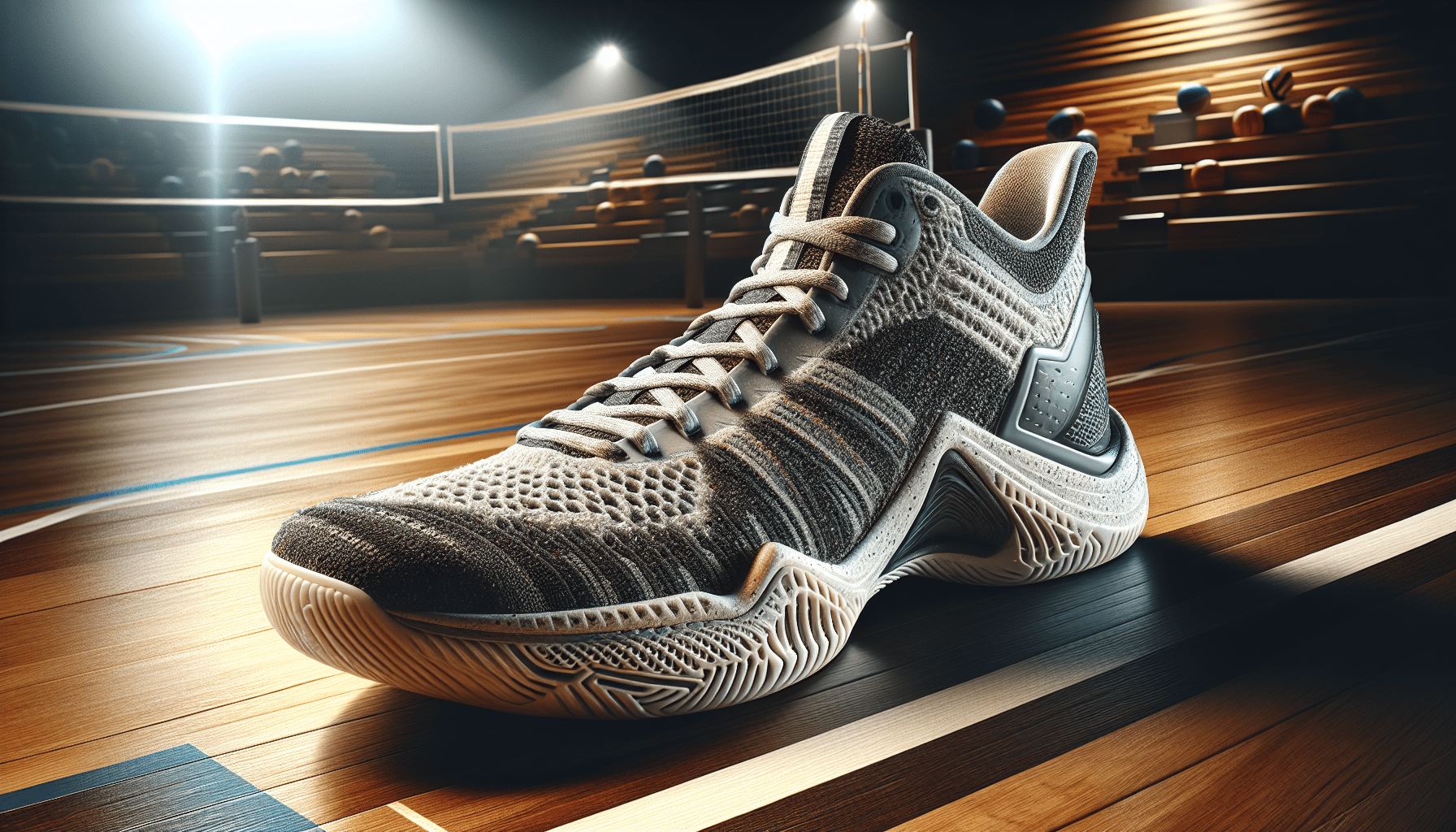
Have you ever wondered whether you need to file an Importer Security Filing (ISF) for your new volleyball footwear? It’s a common question among volleyball enthusiasts and retailers alike. Understanding the requirements for importing footwear can save you from potential headaches and delays.
What is an Importer Security Filing (ISF)?
The Importer Security Filing (ISF) is a set of regulations put in place by U.S. Customs and Border Protection (CBP). This filing, often referred to as the “10+2” rule, requires importers to submit certain information before their goods are loaded onto a shipping vessel. Essentially, it enhances security for imported goods and streamlines the customs process.
Having a clear understanding of what an ISF entails can be very helpful, especially if you’re involved in importing volleyball footwear for personal or business use.
The Purpose of ISF
The main objective of the ISF is to identify potential risks associated with imported cargo before it arrives in the United States. By requiring certain details, CBP aims to reduce illegal activities and ensure the safety and security of goods flowing into the country.
Who is Required to File ISF?
So, who needs to file the ISF? Generally speaking, any entity that imports goods into the United States is required to file an ISF. This can be individuals importing for personal use or businesses importing products for resale.
The Role of Importers
As the importer, you are responsible for the ISF. If you choose to work with a customs broker, they can help facilitate the filing process on your behalf. However, the ultimate responsibility lies with you, meaning it’s crucial to be aware of the regulations and requirements.

Understanding the Requirements for Volleyball Footwear
Now that you have a grasp on what the ISF is and who is required to file it, let’s discuss the requirements specifically related to volleyball footwear.
Product Classification
When importing volleyball footwear, it’s important to classify the product correctly. Footwear falls under different tariff classifications based on criteria such as material and purpose. Volleyball footwear typically is classified under:
- Footwear with Rubber or Plastics Soles
- Textile Upper Footwear
Accurate classification ensures that you pay the correct duties and comply with any specific regulations regarding footwear imports.
Required Information for ISF
To file the ISF, you will need to provide a variety of information about the shipment. Here’s a breakdown of the specific details you must include:
| ISF Requirement | Details |
|---|---|
| Importer of Record | Your name or the name of your business. |
| Consignee | Name and address of the recipient of the goods. |
| Manufacturer | Name and address of the manufacturer of the footwear. |
| Country of Origin | Where the footwear is made. |
| Harmonized Tariff Code (HTS) | The specific code that classifies the footwear. |
| Container Stuffing Location | Where the container is packed with your goods. |
| Bill of Lading Number | The shipping document number. |
| Arriving Vessel Name | The name of the ship carrying your goods. |
| Voyage Number | The specific voyage that the vessel is on. |
| Estimated Arrival Date | When you expect the goods to arrive. |
Filing these details accurately can prevent delays during the customs process, so make sure to double-check everything.
The Timeline for Filing ISF
It’s essential to file the ISF in a timely manner. You need to submit it at least 24 hours before the cargo is loaded onto the vessel. This timeframe allows CBP to review the information and address any potential concerns.
Steps to Submit an ISF
Here’s a friendly guide to help you through the ISF submission process:
- Gather Information: Collect all the necessary details listed above.
- Choose Your Filing Method: You can file the ISF directly or hire a customs broker to assist you.
- Use Submission Portal: If filing directly, you’ll use the Automated Broker Interface (ABI) as part of the CBP’s system.
- Confirm Filing: After submission, confirm that your ISF has been accepted. You may receive a confirmation email or receipt.
- Monitor Shipment: Keep an eye on your shipment status and be prepared for any additional requests from CBP.
What Happens if You Don’t File ISF?
If you fail to file the ISF, there could be consequences. The penalties may include fines, delayed shipments, or even seizure of the goods. Understanding the importance of ISF compliance can save you from these issues down the line.
Potential Penalties
Here’s how penalties might be structured if the ISF is not filed:
| Penalty Type | Details |
|---|---|
| Fines | Monetary fines can range from $5,000 to $10,000. |
| Shipment Delays | Your shipment may be held by customs, causing delays. |
| Goods Seizure | In severe cases, goods may be confiscated. |
Being aware of these penalties can be a powerful motivator to ensure your ISF is filed correctly and on time.
Common Questions About ISF for Volleyball Footwear
This is a nuanced topic, and you might have a few lingering questions. Here are some common inquiries related to the filing of ISF when importing volleyball footwear.
Do I still need to file ISF if I am just buying volleyball shoes for personal use?
Yes, even if you’re importing volleyball footwear for personal use, you still need to file the ISF. Whether it’s for personal or business purposes, the regulations apply.
What if I am purchasing from a seller who is handling the shipping?
If the seller is going to handle all aspects of the shipping process, including ISF filing, make sure to verify that they are compliant with the regulations. It’s always a good idea to communicate clearly with the seller about who is responsible for filing the ISF.
Can I file the ISF myself?
Absolutely! Many individuals and businesses choose to file their own ISF. Just be sure you have all the required information and understand the filing process.
Conclusion
Navigating the complex world of importing volleyball footwear can feel daunting, especially with regulations like the ISF looming over you. However, with a bit of knowledge and preparation, the process can be manageable.
By understanding the requirements, deadlines, and potential consequences of non-compliance, you can ensure a smooth importation process for your volleyball shoes. Keeping this information on hand will make it easier for you to focus on what really matters—hitting the court in your new gear!
Remember, whether you’re importing for personal use or managing a business, knowledge is your best ally. You’ve got this!