
Do Electric Bicycle Batteries Require ISF Filing? Discover Now
? Do you need to file an ISF for an electric bicycle battery when your shipment comes to the United States?
Do I Have To File ISF For Electric Bicycle Battery
You will find clear answers and steps below that help you know whether you must file the Importer Security Filing (ISF) for an electric bicycle battery. The goal is to keep your shipment safe and follow the rules.
What is ISF and why does it matter?
ISF stands for Importer Security Filing. It is a rule for goods that come into the United States by ocean. You must give certain information to U.S. Customs before the ship leaves the foreign port. This helps customs know what is coming and keeps things moving safely.
Who must file ISF?
If you are the importer of record in the U.S., you usually must file ISF. That means you are the person or company named on the entry paperwork who is responsible for the goods once they arrive. If you hired a customs broker, they may file for you. You still must make sure it is done correctly.
Does an electric bicycle battery need ISF?
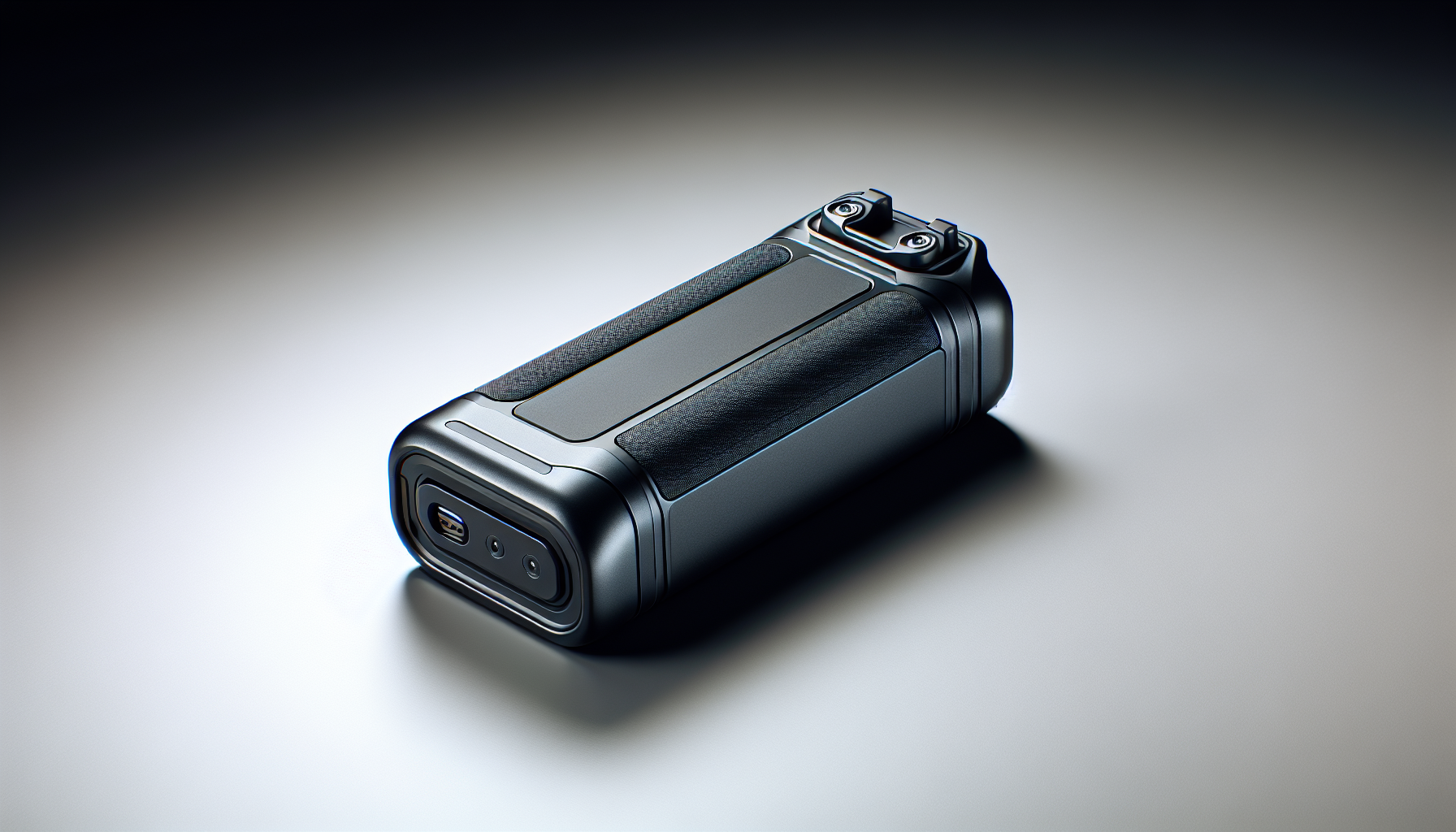
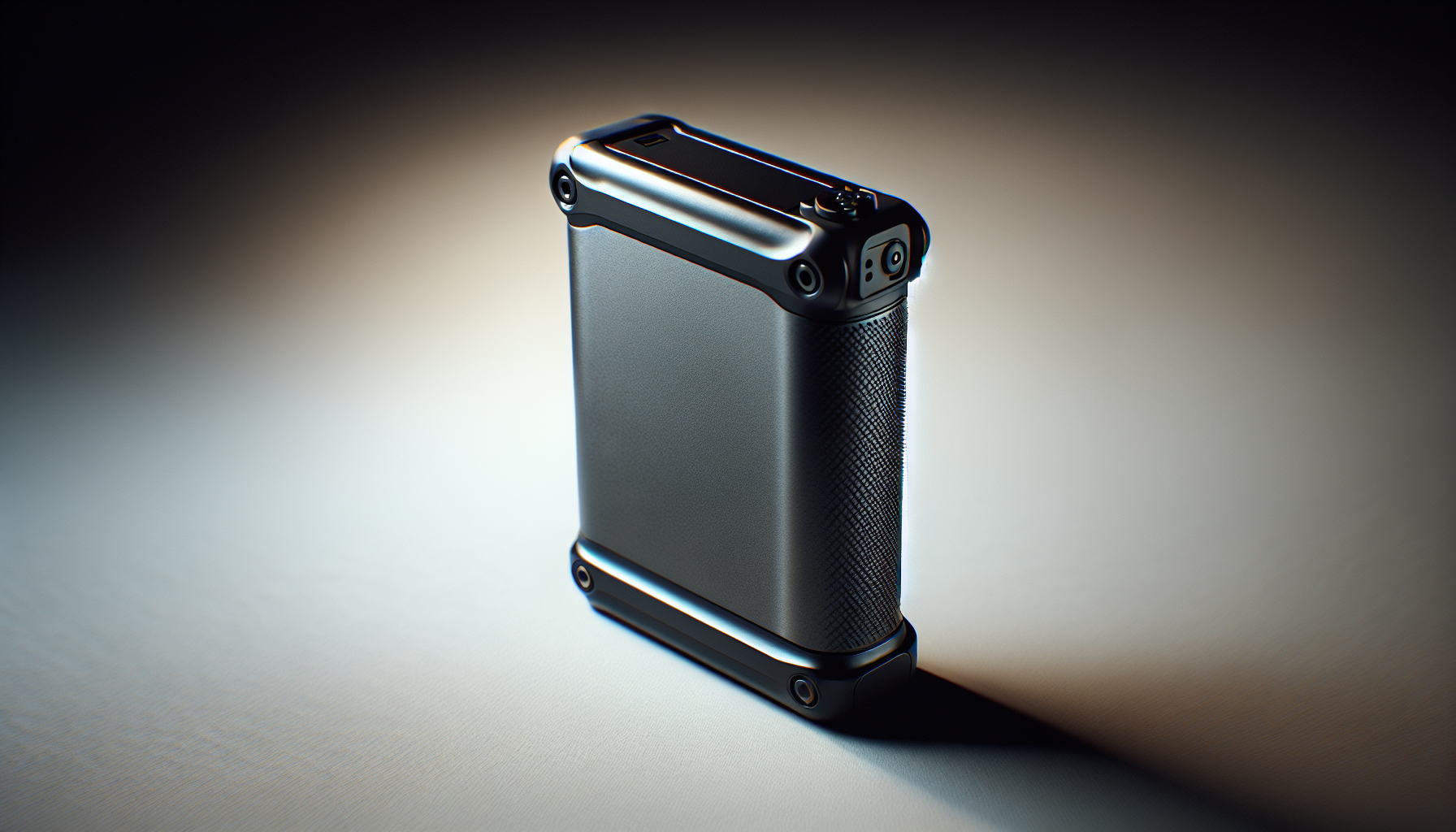
Batteries for electric bicycles are often lithium-ion. These batteries can be dangerous if not packed and declared right. If the battery shipment arrives by ocean, you generally must file ISF because the rule applies to most ocean imports. This is true even if the battery is inside a bicycle, packed as a spare, or shipped on its own.
Covers start-to-finish process, including edge cases and compliance tips.
Important rules for batteries (simple)
- Lithium-ion batteries are considered hazardous. You must tell the carrier and customs if your goods include them.
- Packing rules are strict. Batteries must be packed to prevent short circuits and damage.
- Labeling and documentation must match what you file with customs.
When might you not need to file ISF?
There are a few rare cases where ISF might not be needed:
- If your shipment is not coming by ocean (for example, air freight), ISF is not required.
- If your goods are for government use and qualify for a special exemption.
- If the shipment value is under a very small threshold in certain scenarios (but batteries are often valuable and regulated, so this rarely applies).
The ISF timeline you must follow
You must file the ISF at least 24 hours before the vessel departs the foreign port. If you miss this window, you risk fines or your goods being delayed. You should plan early and have all paperwork ready.
What information you must give for ISF
You need to provide facts like:
- Seller, buyer, and ship-to names and addresses
- Importer of record number
- Manufacturer and country of manufacture
- Container stuffing location and other shipment details
Make sure these details are accurate and match the shipping documents.
Extra care for electric bicycle batteries
- Tell the carrier if batteries are packed inside the bicycle or sent as spares.
- Provide the battery’s UN number and packing group if required.
- Make sure the technical paperwork (like MSDS or SDS) is ready.
- Check whether special permits or notifications are needed for hazardous materials.
What happens if you file incorrectly or late?
If your ISF is wrong or late, customs can fine you. Your shipment may be held at the port. That can cost you money and time. You may also need to provide additional documents or correct the filing.
How to make filing easier
- Use a trusted customs broker or freight forwarder. They can prepare and submit ISF for you.
- Keep good records about batteries: how many, type, and how they are packed.
- Make ISF part of your routine before shipments leave the foreign port.
This article includes a focus on compliance and answers your question from start to finish. If you need help with paperwork, look for a service that offers Reliable ISF Filing to reduce mistakes and delays.
Simple checklist before your shipment leaves
- Confirm mode of transport is ocean.
- Get battery specifics: type, watt-hour, UN number.
- Prepare labels and safety documents.
- Collect importer of record and other party details.
- File ISF at least 24 hours before vessel departure.
Final tips to keep things smooth
You should treat batteries as special cargo. Plan early, use clear paperwork, and use a broker if you are unsure. Doing this keeps your electric bicycle battery shipment safe and helps you follow the law.