
Do I Have To File ISF For Softball Footwear
Have you ever wondered if you need to file an Importer Security Filing (ISF) for your softball footwear when importing goods? It’s a common question that many people involved in the sports business or those looking to import sporting goods might have. Let’s break down what ISF is, the specific requirements for importing softball footwear, and what you need to know to ensure you’re compliant with U.S. Customs regulations.
Understanding Importer Security Filing (ISF)
The Importer Security Filing (ISF) is a crucial requirement established by U.S. Customs and Border Protection (CBP). This rule applies to all goods being shipped to the United States and strengthens the security of the supply chain. Essentially, it allows the CBP to assess the risk associated with shipments before they arrive in the U.S.
What Does ISF Involve?
Filing an ISF involves submitting specific details related to the shipment before the goods are loaded onto a vessel. This includes providing information such as:
- The seller and buyer’s name and address
- A description of the goods
- The country of origin
- The HTS (Harmonized Tariff Schedule) code
- The quantity and weight of the items
These details help Customs inspect shipments more effectively, which can lead to faster processing times upon arrival.
Why Is ISF Important?
Filing an ISF is vital for various reasons. It enhances national security by ensuring potential risks are identified beforehand. Moreover, failure to file an ISF can result in significant penalties, including fines or delays at the port. You certainly wouldn’t want your shipment to be held up because of paperwork issues, especially if you’re gearing up for the start of the softball season.
Do Softball Footwear Imports Require ISF Filing?
When it comes to importing softball footwear, the straightforward answer is yes; you do need to file an ISF. But let’s unpack that a little deeper.
What Classification Does Softball Footwear Fall Under?
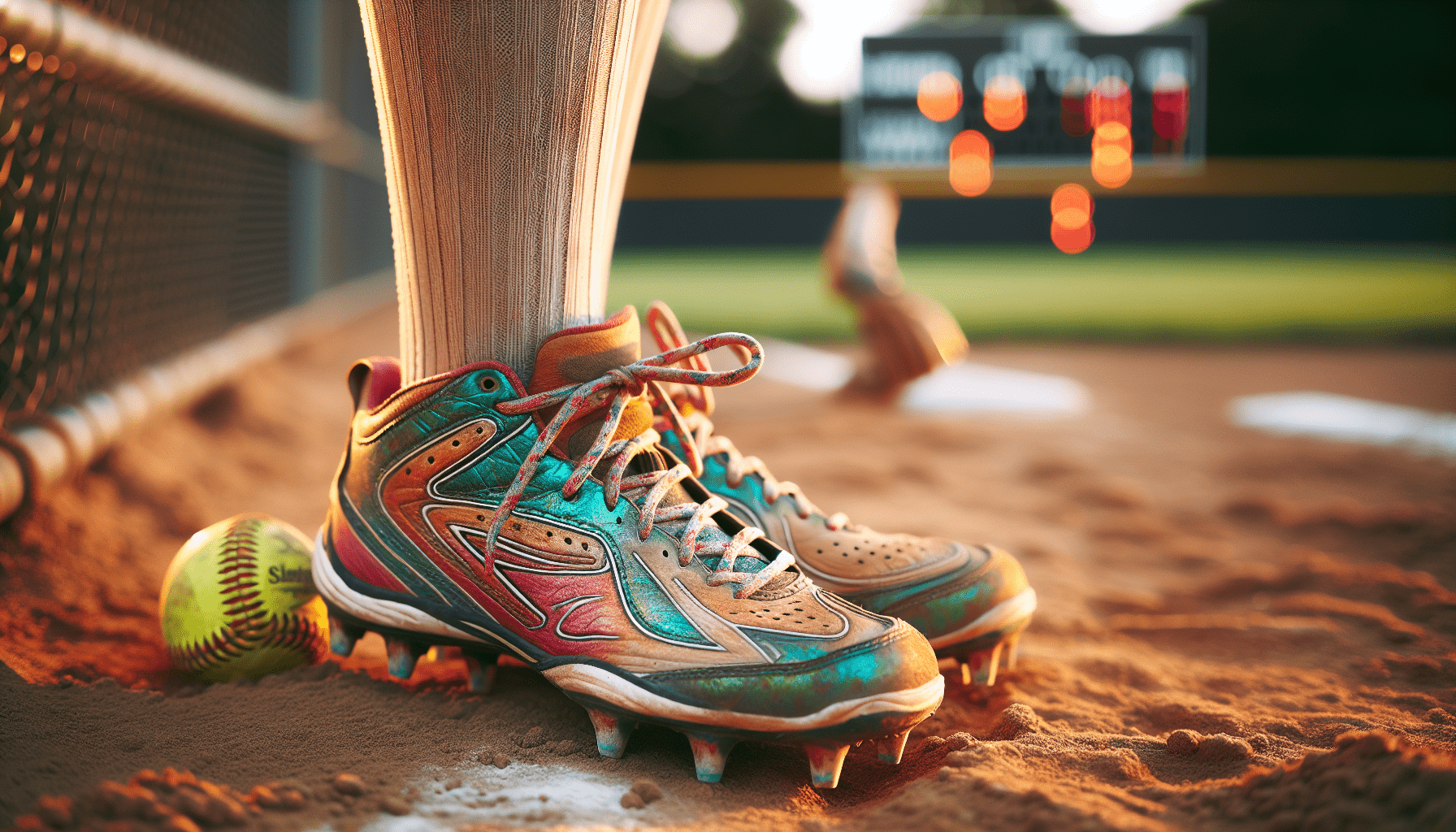
Softball footwear, like cleats and turf shoes, typically falls under the category of sports equipment when it comes to customs classification. According to the HS Code (Harmonized System), this type of equipment might have varying classifications, but they are usually categorized under the headings related to footwear.
Does This Include All Types of Footwear?
When you’re filing ISF for softball footwear, you need to consider what types of footwear you are importing. For example:
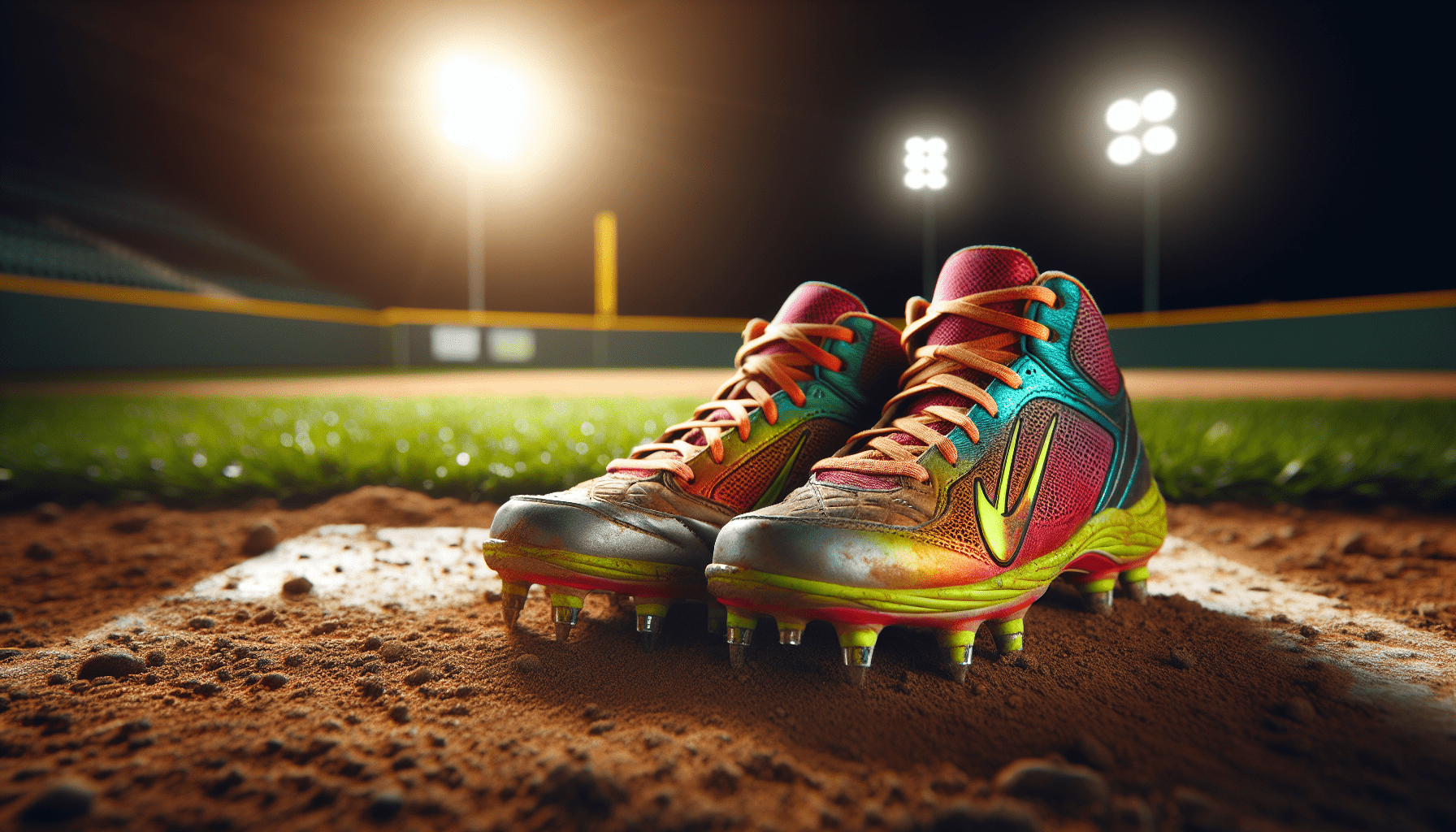
- Cleats: Specifically designed for playing on grass or dirt.
- Turf Shoes: Meant for playing on artificial turf.
- Training Shoes: General athletic footwear that may also be used.
All these categories would require ISF filing upon importation to ensure compliance.
What Are the Penalties for Not Filing ISF Correctly?
Failing to file an ISF or providing incorrect information can lead to hefty fines. Penalties can range from $5,000 to $10,000, depending on the extent of the infraction. It’s better to spend some time on this paperwork instead of facing potential financial setbacks.
Preparing for ISF Filing
Now that you understand the importance of ISF and that it applies to your softball footwear, let’s discuss how to prepare for the filing. This process involves several steps that can make your life easier.
Step 1: Gather Necessary Information
Before filing ISF, compile all necessary information concerning your shipment. These include:
- Importer’s name and address.
- Details about the supplier.
- Description of the footwear.
- HS Code for the specific types of athletic shoes you’re importing (remember, this varies).
Step 2: Choose the Right Filing Method
You have a couple of options when it comes to filing ISF:
- Self-Filing: If you feel confident in your ability to file the ISF yourself, then this is a good option. Just make sure you’re thoroughly informed and prepared.
- Using a Customs Broker: If the process seems overwhelming or complex, hiring a customs broker can be beneficial. They specialize in this area and can handle all filings for you, ensuring compliance and addressing any potential problems.
Step 3: File Timely
ISF needs to be filed at least 24 hours before the cargo is loaded onto the vessel. This timing is crucial to avoid issues upon arrival in U.S. ports.
Key Elements Required for ISF Filing Related to Softball Footwear
When filing your ISF, there are specific elements you must include that are particularly pertinent to softball footwear. Let’s break down these essential components further.
Buyer and Seller Information
The filing must clearly list the buyer’s and seller’s names and addresses. This ensures that customs can easily identify the parties involved in the transaction.
Detailed Description of the Footwear
Rather than providing a generic description, make sure to state explicitly what type of shoes you are importing—are they softball cleats, turf shoes, or training footwear? The more precise your description, the smoother your clearance will be.
HTS Code Specificity
The Harmonized Tariff Schedule is a crucial part of your ISF, as it dictates the duties and regulations for the item based on its classification. Take the time to research or consult a customs expert to determine the correct HTS code for your footwear. Incorrect codes can lead to delays and penalties.
Volume and Weight
You’re also required to provide specific details about the volumes and weight of your shipments. This helps customs assess the cargo.
Common Mistakes to Avoid When Filing ISF for Softball Footwear
Even seasoned importers can run into issues when filing ISF, so it’s essential to be aware of the common pitfalls.
Incomplete or Incorrect Information
One of the biggest mistakes you can make is to omit necessary details or enter incorrect information. Double-check everything before hitting that submit button.
Missing Deadlines
It may be tempting to leave your filing to the last minute, but don’t! Always aim to submit your ISF well in advance of the 24-hour deadline.
Failing to Update Information
Should there be any changes to your shipment details after filing the ISF, such as changes in quantity or product type, you need to update your filing. Ignoring this can lead to issues upon arrival.
Working With Customs Brokers for ISF Filing
If taking on ISF filing sounds daunting to you, reaching out to a customs broker could be your answer. The process may seem overwhelming, but with the right help, it can be easier than you think.
Benefits of Hiring a Customs Broker
Customs brokers are experts in their field and can guide you through every step of the import process. Here’s what they can help you with:
- Ensuring accurate ISF filing
- Advising on applicable duties
- Handling any compliance issues
- Offering clarity on export and import regulations
Finding a Reliable Customs Broker
To find a good customs broker, start by doing your research. Look for customs brokers with experience in importing sporting goods, specifically footwear. You can find recommendations through trade associations or by searching online.
Conclusion: Being Prepared is Key
Now that you have a clearer understanding of the necessity to file ISF for softball footwear, remember that being prepared is key to a successful import process. Ensure that you’re gathering the right information, adhering to timelines, and avoiding common pitfalls.
By taking these steps, you can navigate the complexities of customs regulations and enjoy peace of mind knowing that your softball footwear will arrive safely and on time. So, as you gear up to hit the field or prepare your business for a busy season, remember that keeping the ISF filing process in check is as crucial as practicing that perfect swing.