
How Can I Avoid ISF Penalties For Industrial Compressors & Parts
How Can I Avoid ISF Penalties For Industrial Compressors & Parts
So, you’re in the industrial compressor business, and you want to make sure you’re not hit with any unexpected penalties. Well, you’ve come to the right place. In this article, we’ll discuss how you can avoid ISF penalties for industrial compressors and parts.
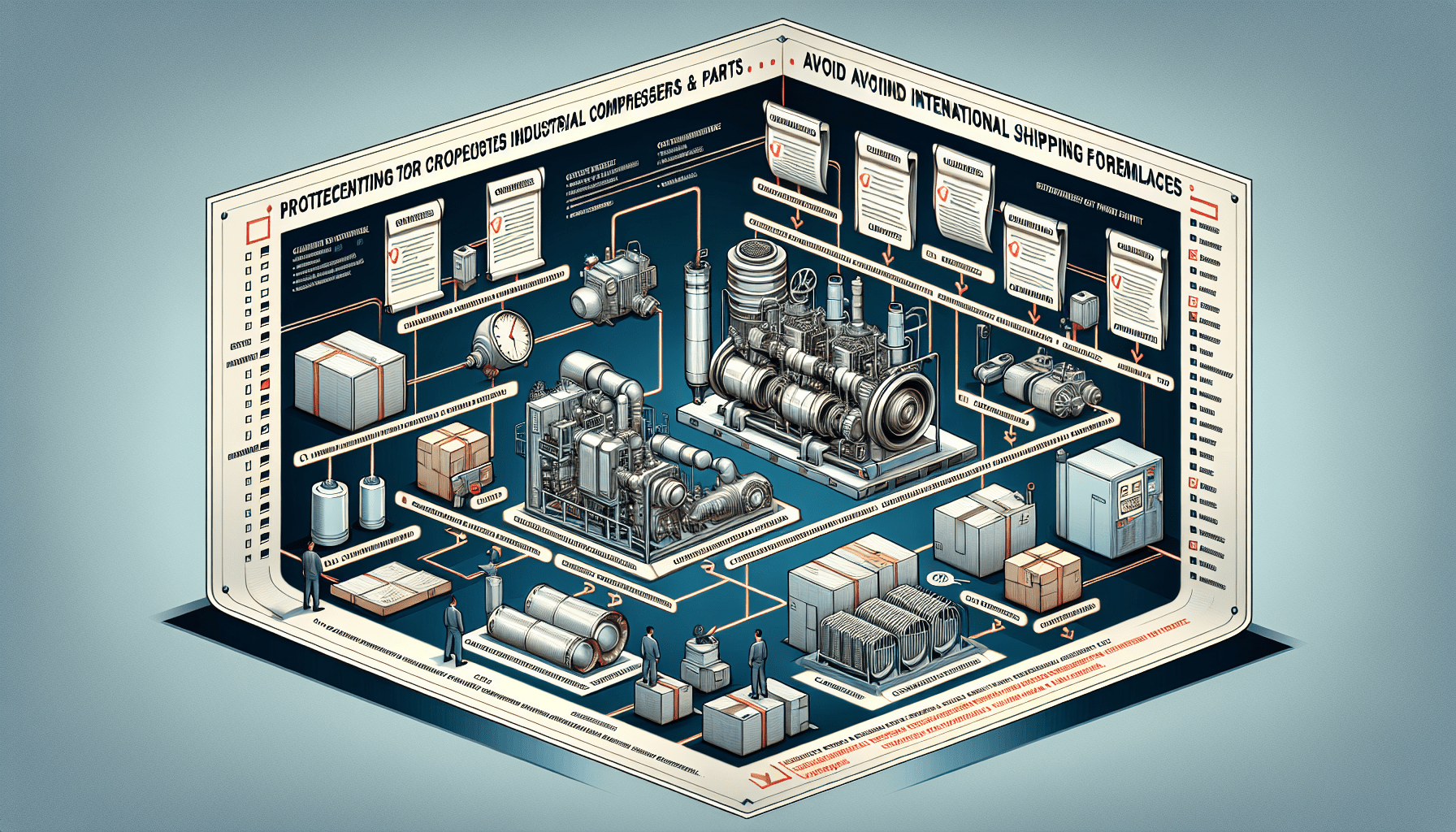
What is ISF and Why Does it Matter?
First things first, let’s talk about what ISF actually is. ISF stands for Importer Security Filing, which is a mandatory requirement by U.S. Customs and Border Protection (CBP) for all goods being imported into the United States by vessel. This filing must be done at least 24 hours before the goods are loaded onto the vessel.
Understanding the Importance of ISF
ISF is crucial because it provides CBP with advance information about the shipment, allowing them to assess the risk level of the cargo before it reaches the U.S. This helps CBP identify high-risk shipments and enhance the security of the supply chain. Failure to comply with ISF requirements can result in penalties, so it’s essential to ensure you’re following the rules.
Common Mistakes to Avoid
Now that you understand the importance of ISF, let’s talk about some common mistakes that companies make when filing ISFs for industrial compressors and parts. By knowing what to watch out for, you can avoid these pitfalls and reduce the risk of penalties.
Missing or Inaccurate Information
One of the most common mistakes is submitting ISF with missing or inaccurate information. It’s essential to double-check all the details you provide, such as the manufacturer’s name, country of origin, and HTS tariff code. Any discrepancies can lead to delays and potential penalties.
Submitting ISF Late
Another mistake to avoid is submitting the ISF late. Remember, the filing must be done at least 24 hours before the goods are loaded onto the vessel. If you miss the deadline, you could face penalties, so make sure you plan ahead and submit the ISF on time.
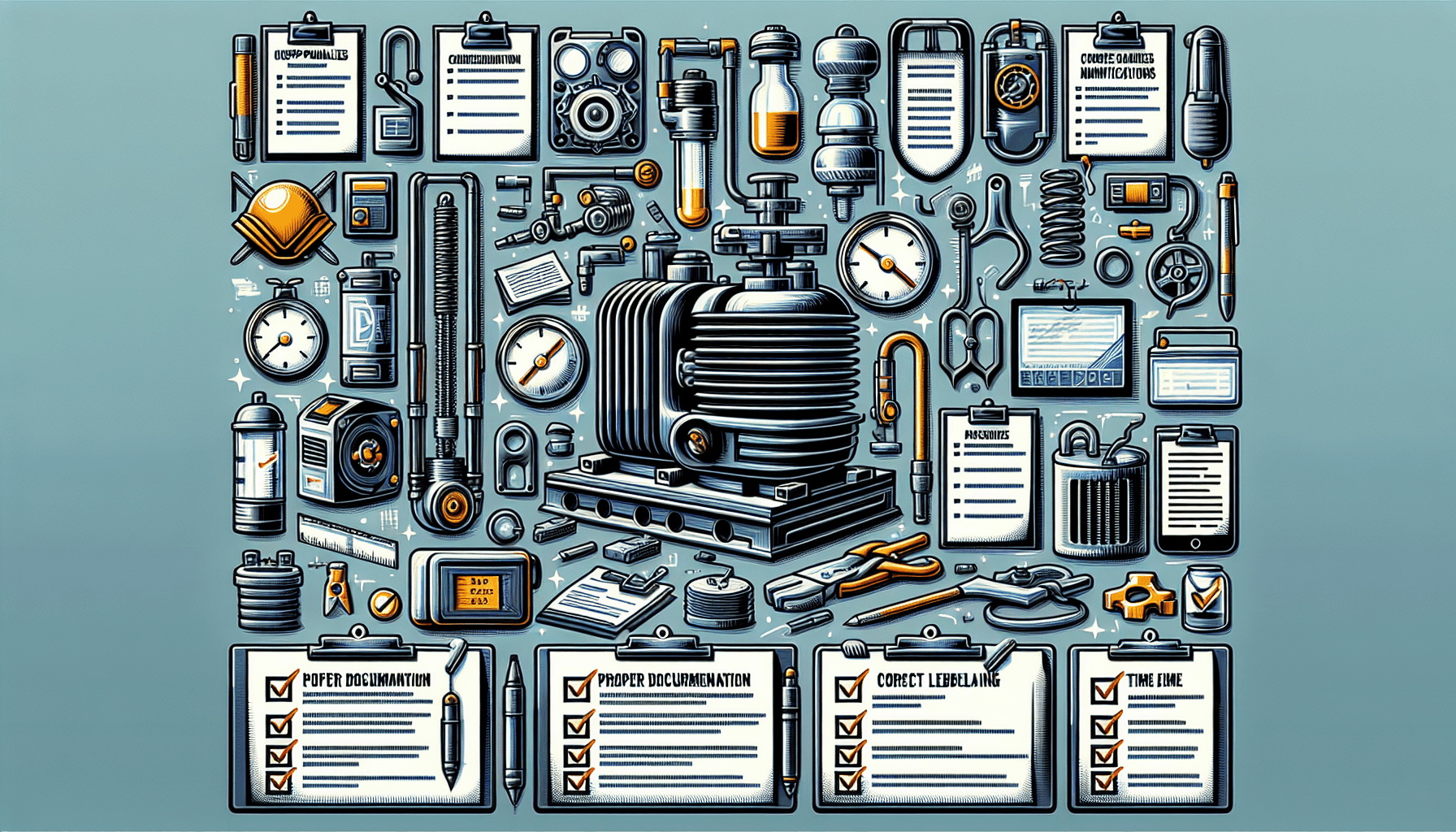
Tips for Avoiding ISF Penalties
Now that you know what mistakes to avoid let’s dive into some tips to help you avoid ISF penalties altogether. These tips will help you ensure that your ISF filings are accurate and submitted on time, reducing the risk of penalties.
Utilize ISF Software Solutions
One of the best ways to avoid ISF penalties is to use ISF software solutions. These tools are designed to streamline the filing process, making it easier for you to submit accurate and timely ISFs. Look for a reputable software provider that specializes in ISF filings for industrial compressors and parts.
Maintain Accurate Records
To avoid errors in your ISF filings, it’s essential to maintain accurate records of all your shipments. Keep track of important information such as the bill of lading, commercial invoice, packing list, and other relevant documents. Having these records on hand will make it easier to complete the ISF accurately.
Work with a Customs Broker
If you’re new to ISF filings or find the process overwhelming, consider working with a customs broker. These professionals are experts in customs regulations and can help you navigate the complexities of ISF requirements. A customs broker can ensure that your ISF filings are accurate and submitted on time, reducing the risk of penalties.
ISF Penalties and Consequences
Now, let’s talk about what happens if you fail to comply with ISF requirements and how you can avoid penalties. Understanding the potential consequences will help you prioritize ISF compliance and avoid costly mistakes.
Monetary Penalties
Failure to comply with ISF requirements can result in monetary penalties imposed by CBP. The penalties can range from $5,000 to $10,000 per violation, depending on the severity of the non-compliance. These penalties can add up quickly, so it’s crucial to take ISF compliance seriously.
Cargo Holds and Delays
In addition to monetary penalties, non-compliance with ISF requirements can lead to cargo holds and delays at the port of entry. CBP has the authority to detain shipments that do not have a valid ISF on file, which can result in costly storage fees and supply chain disruptions. Avoiding these problems should be a top priority for any importer.
Best Practices for ISF Compliance
To ensure that you’re in full compliance with ISF requirements and minimize the risk of penalties, it’s essential to follow best practices. These practices will help you stay on track and avoid costly mistakes that could lead to penalties.
Create a Checklist
To make sure you’re not missing any critical information in your ISF filings, create a checklist that outlines all the required data elements. Refer to this checklist every time you submit an ISF to ensure that you’re providing accurate and complete information.
Conduct Regular Audits
Regularly audit your ISF filings to identify any errors or discrepancies that need to be corrected. Reviewing your filings on a routine basis will help you catch mistakes early and prevent potential penalties down the line. Consider conducting internal audits or working with a third-party provider to review your ISFs.
Stay Informed About Regulatory Changes
Customs regulations are constantly changing, so it’s crucial to stay informed about any updates that may affect your ISF filings. Subscribe to CBP alerts, attend industry seminars, and engage with customs experts to stay up-to-date on the latest regulatory changes. Being proactive about regulatory compliance will help you avoid penalties and keep your shipments moving smoothly.
Conclusion
In conclusion, avoiding ISF penalties for industrial compressors and parts requires careful attention to detail, timely filings, and proactive compliance measures. By following the tips and best practices outlined in this article, you can minimize the risk of penalties and ensure that your shipments arrive at their destination without any delays or issues. Remember, ISF compliance is not just a legal requirement – it’s an essential part of protecting your business and maintaining a secure supply chain. So, stay informed, stay vigilant, and stay compliant to avoid ISF penalties for your industrial compressors and parts.