
When To File ISF For FIBC Bags
If you’re in the business of importing Flexible Intermediate Bulk Containers (FIBC) bags, it’s important to know when to file your Importer Security Filing (ISF). Filing ISF for FIBC bags is crucial to ensure a smooth and timely customs clearance process. By filing your ISF in a timely manner, you can avoid costly delays and penalties. Understanding the guidelines for filing ISF for FIBC bags can help streamline your import process and keep your shipments on track. Hey there! Have you ever wondered when is the right time to file ISF for your FIBC bags? Well, if you’re not quite sure, you’ve come to the right place. In this article, we’ll break down everything you need to know about filing ISF for FIBC bags. So grab a cup of coffee and let’s dive in!
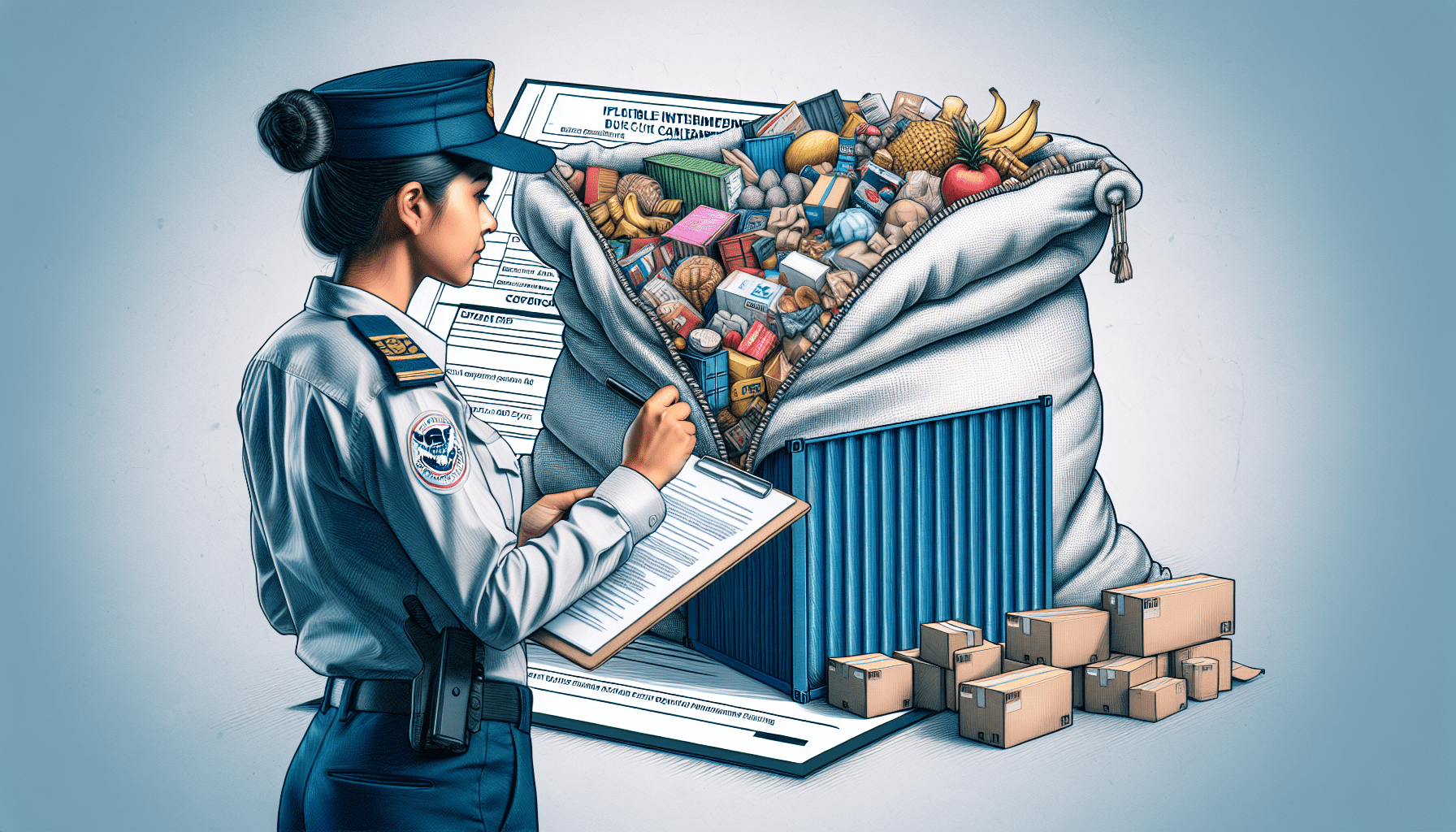
What is ISF?
Let’s start with the basics. ISF stands for Importer Security Filing, also known as 10+2. It’s a requirement by U.S. Customs and Border Protection (CBP) for importing goods into the United States. The goal of ISF is to improve cargo security and facilitate the screening of potentially dangerous goods before they arrive in the country.
Why is ISF important for FIBC bags?
ISF is crucial for FIBC bags because these bulk bags are commonly used for transporting goods across borders. By filing ISF accurately and in a timely manner, you can ensure smooth customs clearance and avoid any unnecessary delays or penalties.
When to file ISF for FIBC Bags
Now, let’s get to the heart of the matter – when should you file ISF for your FIBC bags? The general rule is that ISF must be filed at least 24 hours before the cargo is loaded onto the vessel that is destined for the U.S. However, there are some specific considerations to keep in mind when it comes to FIBC bags.
Timing considerations for FIBC bags
When it comes to filing ISF for FIBC bags, timing is key. Since these bags are often used for transporting bulk goods, it’s important to file ISF well in advance to allow for any potential delays or issues that may arise during the transportation process. This extra buffer can help ensure that your cargo arrives on time and without any hiccups.
Factors to consider when filing ISF for FIBC bags
When determining the timing for filing ISF for FIBC bags, there are a few key factors to consider. These include the manufacturing and transit times for the bags, as well as any customs or regulatory requirements that may impact the shipping process. By taking these factors into account, you can better plan ahead and file ISF in a timely manner.

How to file ISF for FIBC Bags
Now that you know when to file ISF for your FIBC bags, let’s talk about how to actually do it. Filing ISF can seem like a daunting task, but with the right tools and information, you can complete the process successfully.
Filing ISF electronically
The most common way to file ISF is electronically through the Automated Broker Interface (ABI) or through an approved software provider. This method allows for quick and efficient submission of the required information, including details about the FIBC bags, the importer of record, and the shipping vessel.
Required information for FIBC bags
When filing ISF for FIBC bags, you will need to provide specific details about the bags and the shipment. This includes information such as the container stuffing location, the shipper’s name and address, and the manufacturer of the bags. By ensuring that all of this information is accurate and up to date, you can help prevent any delays or issues with customs clearance.
Working with a customs broker
If you’re not familiar with the ISF filing process or if you simply want some extra support, you may want to consider working with a customs broker. These professionals are well-versed in customs regulations and can help ensure that your ISF is filed correctly and on time. By partnering with a customs broker, you can have peace of mind knowing that your FIBC bags will clear customs smoothly.
Common Mistakes to Avoid when Filing ISF for FIBC Bags
When it comes to filing ISF for FIBC bags, there are some common mistakes that importers often make. By being aware of these pitfalls, you can take steps to avoid them and ensure a smooth customs clearance process for your cargo.
Missing the deadline
One of the most common mistakes when filing ISF is missing the deadline. Remember, ISF must be filed at least 24 hours before the cargo is loaded onto the vessel. By setting a reminder and staying on top of your filing deadlines, you can avoid this costly mistake.
Inaccurate information
Another common mistake is providing inaccurate information when filing ISF. Make sure to double-check all of the details you provide, including information about the FIBC bags, the importer of record, and the shipping vessel. Providing incorrect information can lead to delays in customs clearance and potential penalties.
Not updating ISF
Once you’ve filed ISF for your FIBC bags, it’s important to stay on top of any updates or changes that may occur during the shipping process. If there are any modifications to the shipment, such as a change in the shipping vessel or an adjustment to the cargo, you will need to update your ISF accordingly. Failure to do so can result in delays and additional fees.
Conclusion
Filing ISF for FIBC bags is a crucial step in the importing process, and it’s important to get it right. By understanding when to file ISF, how to file it, and common mistakes to avoid, you can ensure that your FIBC bags clear customs smoothly and reach their destination on time. So, the next time you’re preparing to import FIBC bags, remember to file ISF in a timely manner and with accurate information. Your cargo will thank you for it!