
When To File ISF For Travel Kits
Being Prepared: When to File ISF For Travel Kits
Are you planning a trip overseas? Wondering when you should file an ISF for your travel kit? Don’t worry, we’ve got you covered!
What is ISF and Why is it Important?
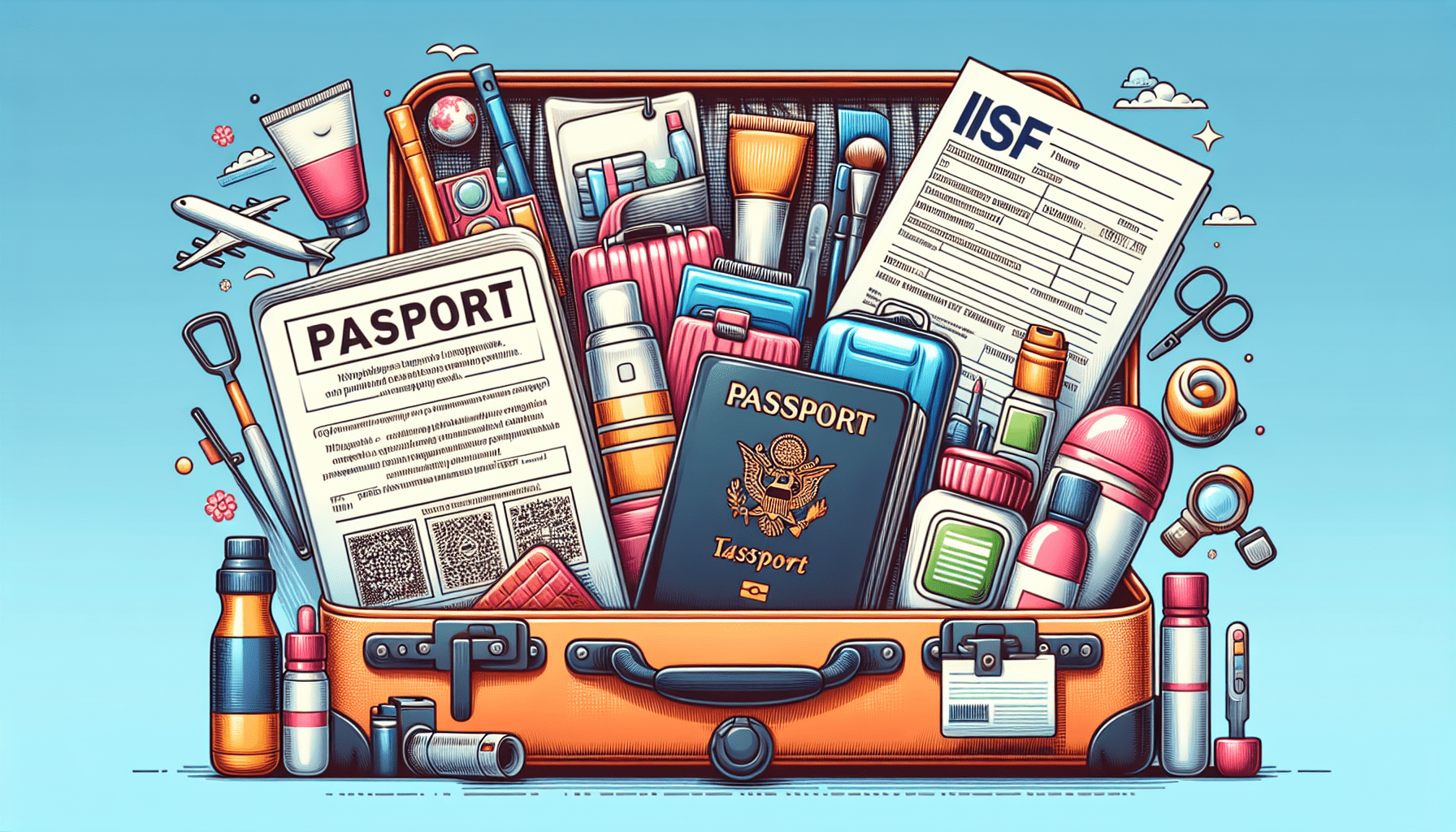
Before we dive into when you should file ISF for your travel kit, let’s first understand what ISF really is. ISF stands for Importer Security Filing, also known as 10+2. It is a mandatory requirement by U.S. Customs and Border Protection (CBP) for all importers to submit specific information about their cargo before it is loaded onto a vessel bound for the United States.
Guidelines for Filing ISF
Now that you know what ISF is, let’s go over some guidelines for filing ISF for your travel kit. The ISF must be filed electronically before the cargo is loaded on the vessel that is destined for the U.S. Below are some key points to remember when filing ISF:
- ISF must be filed at least 24 hours before the vessel is loaded at the foreign port
- Failure to file ISF can result in penalties or even delayed cargo
- Make sure to provide accurate and detailed information about your cargo
When to File ISF For Travel Kits
So, when exactly should you file ISF for your travel kit? The answer depends on a few key factors:
- Are you bringing any items that are considered restricted or prohibited by CBP?
- Are you traveling by air, land, or sea?
- How far in advance are you planning your trip?
It is recommended to file ISF for your travel kit as soon as you have all the information available. This will help ensure a smooth process and prevent any delays or penalties.
ISF Filing for Air Travel
If you are traveling by air and bringing a travel kit with you, you may not be required to file ISF. However, if your travel kit contains items that are subject to duties or restrictions, you should consider filing ISF to avoid any issues with CBP.
ISF Filing for Sea Travel
If you are traveling by sea and bringing a travel kit with you, you will need to file ISF. Make sure to gather all the necessary information about your cargo and submit it electronically at least 24 hours before the vessel is loaded.
ISF Filing for Land Travel
If you are traveling by land (e.g., driving into the U.S. from Canada or Mexico) and bringing a travel kit with you, you may not be required to file ISF. However, it is always a good idea to check with CBP to see if there are any specific requirements for your situation.
What to Include in Your ISF for Travel Kits
Now that you know when to file ISF for your travel kit, let’s discuss what information you should include in your ISF filing. Here are some key items to include:
- Description of the cargo (e.g., travel kit with clothes, toiletries, electronics)
- HTSUS number (Harmonized Tariff Schedule of the United States)
- Manufacturer or supplier name and address
- Country of origin
- Ship-to party name and address
- Container stuffing location
Common Mistakes to Avoid When Filing ISF
When filing ISF for your travel kit, there are some common mistakes you should avoid making:
- Waiting until the last minute to file ISF
- Providing incorrect or incomplete information
- Not checking for updates or changes in CBP regulations
- Failing to communicate with your carrier or customs broker
By being aware of these common mistakes, you can ensure a smooth and hassle-free process when filing ISF for your travel kit.
What Happens After You File ISF
Once you have filed ISF for your travel kit, what happens next? CBP will review the information provided and may request additional details if needed. If everything is in order, your cargo will be cleared for transportation to the U.S. Upon arrival, CBP will inspect your cargo and release it to you if there are no issues.
Conclusion
In conclusion, filing ISF for your travel kit is an important step to ensure a smooth and hassle-free travel experience. By understanding when to file ISF, what information to include, and common mistakes to avoid, you can rest assured that your cargo will arrive safely and on time. Remember to plan ahead, gather all necessary information, and communicate effectively with CBP, your carrier, and customs broker. Safe travels!