
Where To File ISF For Sculptures
Understanding ISF for Sculptures
So you have imported some beautiful sculptures from overseas, and now you need to file an Importer Security Filing (ISF) for them. But where do you even begin? Let’s break it down for you.
What is ISF?
ISF, also known as 10+2, is a program that requires importers and vessel carriers to provide specific information about cargo before it is loaded onto a vessel bound for the United States. This information is used to improve customs targeting, ensure cargo safety, and enhance overall supply chain security.
Why is ISF Important for Sculptures?
Filing ISF for sculptures is crucial because it allows Customs and Border Protection (CBP) to assess potential security risks associated with the imported cargo. By providing detailed information about your sculptures upfront, you can expedite the customs clearance process and avoid costly delays or fines.
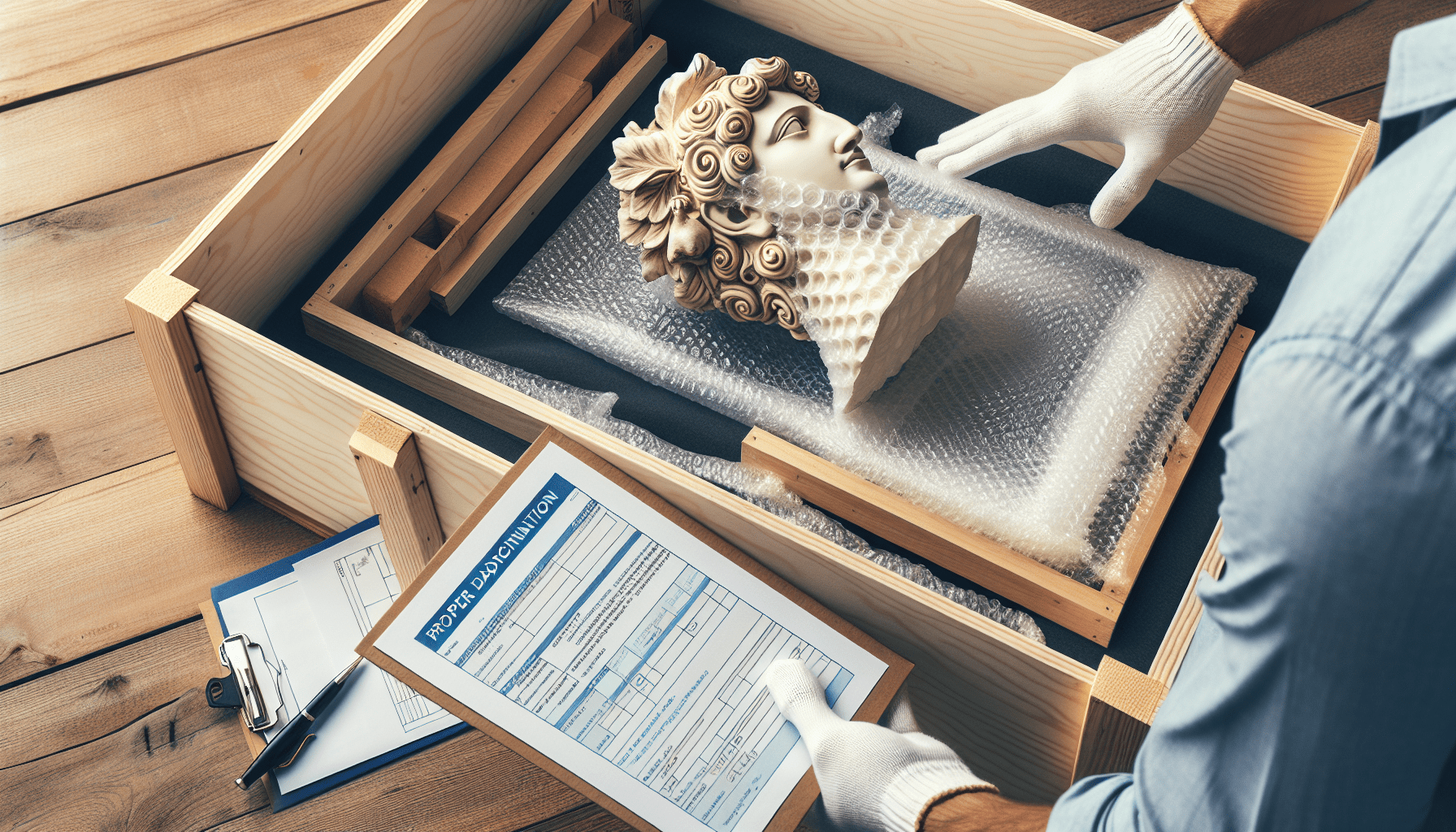
Filing ISF for Sculptures
Now that you understand the importance of ISF for your sculptures, let’s talk about the specifics of where and how to file it.
When to File ISF
ISF must be filed at least 24 hours before the cargo is loaded onto the vessel at the foreign port of export. Failure to file or late filing can result in penalties and delays in customs clearance.
Where to File ISF
ISF must be filed electronically through the Automated Broker Interface (ABI) or the Automated Manifest System (AMS). You can either file it yourself if you have the necessary resources and expertise, or you can work with a licensed customs broker to ensure compliance with CBP regulations.
Information Required for ISF Filing
When filing ISF for sculptures, you will need to provide specific details about the shipment, including:
- Manufacturer (or supplier) name and address
- Seller name and address
- Buyer name and address
- Importer of record number
- Consignee number
- Country of origin
- HTSUS number
- Container stuffing location
- Consolidator name and address
Penalties for Non-Compliance
Failure to comply with ISF requirements can result in significant monetary penalties imposed by CBP. Penalties can range from $5,000 per violation to $10,000 per late ISF filing, so it is essential to ensure timely and accurate filing to avoid these costly consequences.
Working with a Customs Broker
If the process of filing ISF for your sculptures seems overwhelming or complicated, consider working with a licensed customs broker who can assist you every step of the way.
What Does a Customs Broker Do?
A customs broker is a licensed professional who specializes in customs clearance procedures and regulations. They can help you navigate the complexities of filing ISF, ensure compliance with CBP requirements, and expedite the customs clearance process for your sculptures.
Benefits of Hiring a Customs Broker
Some benefits of working with a customs broker include:
- Expertise in customs regulations and procedures
- Reduced risk of penalties for non-compliance
- Time and cost savings
- Streamlined customs clearance process
- Peace of mind knowing your sculptures are in good hands
How to Find a Reliable Customs Broker
When looking for a customs broker to help you with ISF filing for your sculptures, consider the following factors:
- Experience in handling similar shipments
- Reputation in the industry
- Licensing and certifications
- Pricing structure
- Communication and responsiveness

Conclusion
Filing ISF for sculptures may seem like a daunting task, but with the right knowledge and assistance, you can ensure a smooth and compliant customs clearance process for your imported artwork. By understanding the requirements, deadlines, and potential penalties associated with ISF, you can proactively protect your investment and avoid unnecessary delays or fines. Whether you choose to file ISF yourself or work with a customs broker, the key is to prioritize accuracy, timeliness, and compliance to ensure a successful importation of your sculptures.